

Take What Resonates

People have different takeaways from watching movies or reading books. Inspiration can take different forms. Movies resonate with people differently depending on the individuals goals and personality. The goal is to be able to take away what’s relevant to you while leaving the rest behind.
Magazine Dreams

There are two movies I watched in the past week that, after reading through the Reddit comments, opened my eyes to how differently content affects people based on many variables. The first movie was Magazine Dreams, where the main character, Killian Maddox, played by Jonathan Majors, is a socially awkward bodybuilder whose obsession with becoming Mr. Olympia puts everything else in his life on the back burner, including his health and anger management.
My takeaway was that I understood the sacrifice it took to be great or become the greatest at something. His commitment to his craft was admirable, and the downfall that surrounded him was a sacrifice he had to make. As I read through the comments, I was astonished by how many people had completely different takeaways from the film.
Many commenters thought he was a creep, and that’s the stigma most bodybuilders have. Many didn’t understand how someone could be so obsessed with one thing.
What if there was a way to take away the good parts of Killian Maddox while leaving behind the bad?
Whiplash
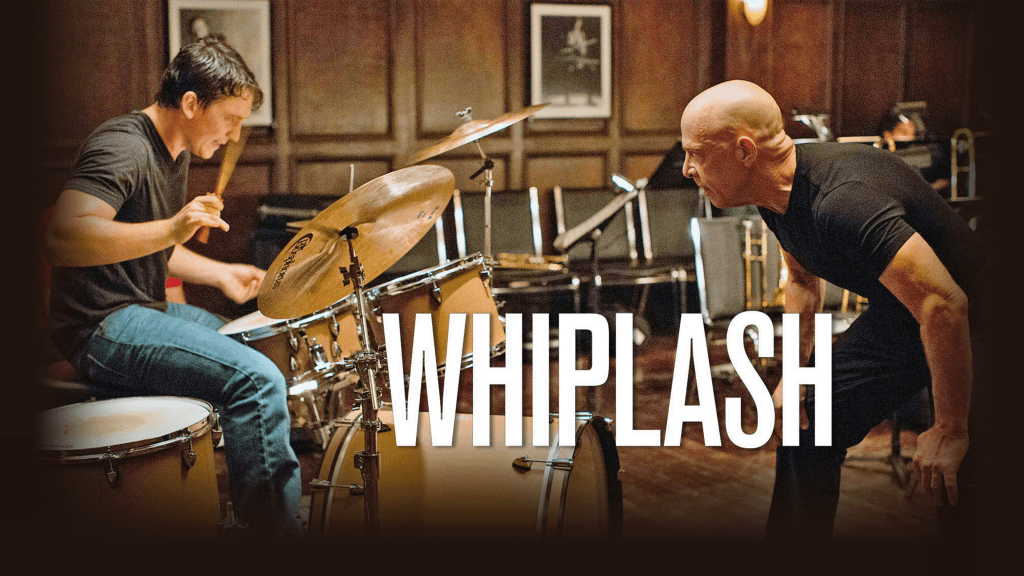
The next movie was Whiplash, where Andrew Neiman, played by Miles Teller, is trying to make the core band at an elite music school called Shaffer Conservatory. J. K. Simmons, played by Terence Fletcher, is the music instructor at the school who is known for his intensity and no B.S. approach to teaching music. Both characters are wired similarly, where Andrew wants to be one of the greats, while Simmons wants to find the next great musician and believes his way of pushing his students is the only way to get greatness out of somebody.
Taking Greatness Without the Damage

Both characters are widely controversial figures, just like Killian, they are willing to sacrifice everything to achieve their goal. Andrew sacrifices personal relationships with people who care about him try to become one of the greatest drummers to ever live is admirable…in a certain light. The same goes for the music teacher; he knows how rare greatness is and is willing to ruin some of his students to achieve it. While critics consider Whiplash a great movie, the fans are divided on the characters. Again, many of them think the obsession is too extreme, but what if J.K. Simmons is right? What if greatness can’t come out unless someone is pushed to the edge? When no one is pushing us, and we go at our own pace, it’s easy to take it easy and coast.
What if there was any way to capture all the good these characters had without the accompanying baggage?
I call this the Supermarket Rule.
The Supermarket Rule

An analogy I practice in life that has been extremely valuable to me is the supermarket rule. If you still go grocery shopping, you usually don’t get everything in the store; you only get the essentials. This concept can also be applied when consuming any type of content. When you read a book, you don’t have to agree with everything the author says, but you can take away the parts that resonate with you and disregard the rest. If you take this mindset to all things, you will constantly be extracting everything valuable while leaving the rest. It helps move us closer to our goals while still being balanced.
In Magazine Dreams, using the supermarket analogy, I would take Killian’s discipline towards his workouts and nutrition. He wouldn’t just go through the motions when working out and would work out with the proper intensity to see results. He didn’t eat junk food and tracked his nutrition to reach his goals.
What I would leave on the shelves would be his inability to have social relationships because his obsession was too strong. His lack of anger management because he wasn’t willing to put in the time to get better at it.
In Whiplash, I would take Andrew Neiman’s work ethic. He was willing to put in the work to get better at drumming, spending hours studying, learning, and practicing instead of watching TV or playing video games. This was admirable, but I would start leaving it at the store once he started sacrificing relationships and his own mental health to continue getting better.
If someone is great at something, they must have some redeeming qualities, and it’s your job as a reader or consumer of content to be able to take away the good and leave the bad.
Harnessing Obession Without Self-Destruction
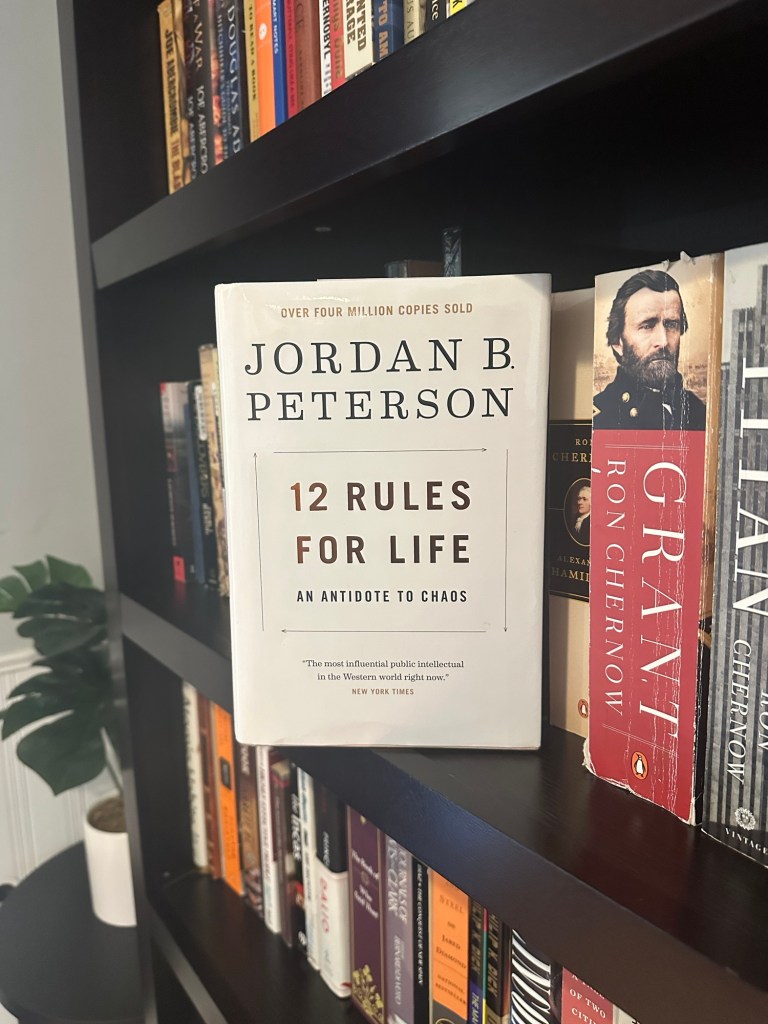
A bonus example I want to use is the controversial figure, Dr. Jordan Peterson. He became widely known through his lectures, which he published on YouTube while he was a Professor of Psychology at the University of Toronto. He became controversial over his views and beliefs on free speech, gender identity, and gender roles. What made him more controversial than most was that his communication style was very direct and sometimes confrontational.
17 Key Lessons from Jordan Peterson’s 12 Rules for Life
Being a centrist politically, people were always surprised to see his book “12 Rules for Life” on my bookshelves, and the book I got the most questions about. This is the one book that has the most value in using the supermarket analogy. This supermarket had prime rib and ultra-processed junk food. Rule 6 in 12 Rules for Life, “Set your house in perfect order before you criticize the world”, was one of the most valuable chapters in any book I’ve ever read. If that were the only chapter in the book, it would still sit on my bookshelf. The Jordan Peterson supermarket had another aisle from his second book called “Beyond Order”. I didn’t buy anything from this aisle as it had some of the same foods from the first one, but they were all ultra-processed. Hence why this book doesn’t sit on my bookshelves.
Take the Good, Leave the Bad
Try this strategy as you go about your day: have a good conversation with a co-worker. Take away the information they had about an upcoming project or how to deal with a certain boss, but leave the gossip and office politics that are of no benefit to you. Read an article related to your field of work? Take away the parts that will benefit your career and leave behind the parts that are irrelevant to you. The entirety of a book doesn’t have to resonate with you; you don’t have to love a movie from start to finish, but if you keep an eye out, you can fill your shopping cart with valuable lessons from some of the most unexpected places and leave the rest of the junk on the shelves.
If you enjoyed this content, please sign up for my newsletter below, share this post with a friend, or read some of my other blog posts. Thanks for stopping by.
Disclosure: Some of the links in this post are affiliate links. This means that, at zero cost to you, I will earn an affiliate commission if you click through the link and finalize a purchase.
Book Ponder focuses on the incredible power of reading, and even though stand-alone articles like these are unique ideas, I like to credit any books that inspired or gave me the resources for the idea.


 Book Ponder
Leave a comment