“Time is the coin of your life. It is the only coin you have, and only you can determine how it will be spent.”
Carl Sandburg
You Are Chasing Something That Never Ends
The path to mastery is an endless journey, not something you eventually attain. The goal post never stops moving, and the steps to mastery are boring, tedious, and often feel like they aren’t moving the needle at all. Every workout moves the needle less than a percent and has immense diminishing returns, but always ask yourself, “What’s the alternative?” “What if you give up?” “What will I think when I’m on my deathbed?”
Do you think you will be glad you wasted days of your life playing video games and scrolling on your phone, or would you rather have read all the great books and left a legacy of writing behind that can be read long after you’re gone? It doesn’t have to be writing; it could be any legacy. Perhaps you left behind a family business or an estate passed down through generations.
What’s the Alternative, Quitting?
In every area of life you want to gain mastery in, ask yourself: What is the alternative? What happens if you give up? Fortunately, giving up rarely ever crosses my mind, but I do things that may as well be giving up. I justify them. I make excuses to make it look like I’m not quitting.
There is too large a gray area between accomplishing your goals and giving up. Many lives are lost in this gray area where you fool yourself that you are doing enough, but deep down, you know you aren’t truly giving it your all. When it’s time to look in the mirror, we must be honest with ourselves.
Wasting time playing games instead of reading or writing = GIVING UP!
I may as well quit reading and writing and spend all my free time doomscrolling while frying my brain’s dopamine structure.
Not counting my calories, eating things I’m not supposed to, and just going through the motions in my workouts = GIVING UP!
Just allow yourself to become overweight, sick, and depressed because you don’t care about what you eat and spend half your workouts scrolling on your phone.
Stop Being Gentle When It’s No Longer Working
These statements may come across as rude or harsh, but sometimes the time for gentleness and sensitivity has passed, and you have to try something different.
At some point, you can’t continue to be the nice guy or gal to yourself because that allows excuses to seep in and disrupt your momentum. If you’re going to pretend to be disciplined, you may as well not do it at all, because you’re only wasting your own time.
Question every action with this: “Is this action moving me closer to my goals?” if thats not enough, then remember that time is the most valuable asset in the world, it’s the only thing you can’t buy back, don’t let another second slip by.
f you enjoyed this content, please sign up for my newsletter below, share this post with a friend, or read some of my other blog posts. Thanks for stopping by.
Processing…
Success! You're on the list.
Whoops! There was an error and we couldn't process your subscription. Please reload the page and try again.
Disclosure: Some of the links in this post are affiliate links. This means that, at zero cost to you, I will earn an affiliate commission if you click through the link and finalize a purchase.
Book Ponder focuses on the incredible power of reading, and even though stand-alone articles like these are unique ideas, I like to credit any books that inspired or gave me the resources for the idea.
Could you imagine if we accomplished all the goals we committed to while feeling motivated? We would achieve the life of our dreams. Why is it so difficult to follow through with something that we know is good for us? Is resistance really that strong? This past year, I finally put a stop to reading self-improvement books. They are great for learning the basics for a better life, but they will never do the work required for you. It’s gotta be you.
Different strategies work for different people, but the way to finally commit to your goals is to make a strategic plan. Occasionally, you’ll read something that inspires you, and you implement that strategy for the rest of the day. Slowly, you will fall back to your old routines, and the inspiration will have run its course.
Focus on One Weakness at a Time
The areas of your life that need a strategic plan most are the ones in which you are weak. If eating sweets is your weakness, then focus a strategic plan solely on eating sweets and pour all your resources into it. A significant fault when making changes in your life is that you are motivated to take big swings and accomplish everything at once in the moment of inspiration. This isn’t sustainable. If you try to change every aspect of your life, you will achieve nothing.
Once you are locked in on the one area of weakness and your plan is in place to make the change, track the habit meticulously. Zero in on the times when you usually reach for dessert and set reminders on your phone to remind you not to give in. Throw away anything that can make you relapse; throw the kitchen sink at the problem. After a couple of days, it slowly becomes more manageable, and moments in the past where you would have relapsed are now avoided through planning. When this new positive action becomes a habit requiring minimal resources, we can move on to the next thing. Only move on to a new goal once the previous one is accomplished.
Don’t Break the Chain
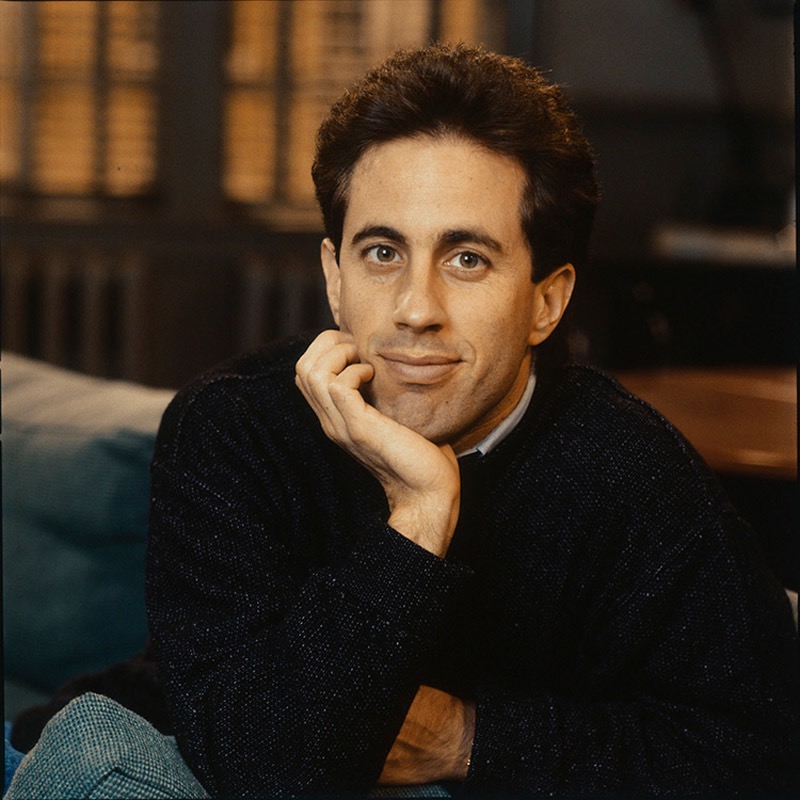
Credit: Michael Grecco / Iconic Images
The comedian Jerry Seinfeld had a ritual that has been my favorite to implement into my habit-forming plans. He would mark an X on his calendar every day he wrote a joke and focused his energy on not breaking the chain and keeping the streak alive. I use the ‘keep the streak alive’ strategy because it’s easy to skip a workout when you haven’t worked out in 3 weeks. When you’ve worked out for 30 days in a row, you will push yourself to keep the streak alive, so you don’t have to start it over. I implement this strategy for the positive habits I want to implement. I am keeping the streak alive by closing my activity circles on my Apple Watch and tracking my calories daily. A previous goal that became a habit by keeping the streak alive was reading for 30 minutes every day. Initially, I would squeeze in 30 minutes before bed to keep my streak alive, but now that it’s become a habit, I insert a 30-minute reading window into my daily schedule and accomplish it without any issues.
Strategy Beats Willpower
Whatever goals you want to accomplish or good habits you wish to implement, the most important part is using a strategy. Willpower is finite, and trying to muscle through every problem will leave you burned out and farther behind than when you started. Be wise in improving your life, and the results will come. I’d love to hear about your strategies and experiences with trying to maintain positive habits.
If you enjoyed this content, please sign up for my newsletter below, share this post with a friend, or read some of my other blog posts. Thanks for stopping by.
Processing…
Success! You're on the list.
Whoops! There was an error and we couldn't process your subscription. Please reload the page and try again.
Disclosure: Some of the links in this post are affiliate links. This means that, at zero cost to you, I will earn an affiliate commission if you click through the link and finalize a purchase.
Book Ponder focuses on the incredible power of reading, and even though stand-alone articles like these are unique ideas, I like to credit any books that inspired or gave me the resources for the idea.
Everyone has that moment in life when the chance finally arrives to do the thing you’ve always talked about. Deep down, most people are afraid of this moment. When it comes, they shrink back, letting it slip away. And afterward, they carry the heavy burden of regret — wondering what could have been if only they had stepped forward with courage.
You Know When It Comes
You don’t have to think very long to recall such a moment. You feel it in your chest when it happens. You know it instantly — this is it. But the fear of standing in the spotlight, with everyone watching, can be paralyzing. That’s why preparation matters. We must live as if that moment could come today, or at any moment.
These moments can change the course of a life: maybe the dream job finally opens up, but you hesitate because leaving your comfortable routine feels too risky. Or maybe it’s smaller: your friends plan the hiking trip you’ve always wanted, but you’ve neglected your fitness and worry about embarrassment.
How To Be Ready
The best way to avoid missing these chances is to create a living bucket list of the things you most want to experience or accomplish. Stay ready to seize them when the chance appears. If you do, you’ll not only avoid regret — you’ll step more fully into life itself.
Life doesn’t wait. Be ready. Your moment is coming.
If you enjoyed this content, please sign up for my newsletter below, share this post with a friend, or read some of my other blog posts. Thanks for stopping by.
Disclosure: Some of the links in this post are affiliate links. This means that, at zero cost to you, I will earn an affiliate commission if you click through the link and finalize a purchase.
Book Ponder focuses on the incredible power of reading, and even though stand-alone articles like these are unique ideas, I like to credit any books that inspired or gave me the resources for the idea.
Processing…
Success! You're on the list.
Whoops! There was an error and we couldn't process your subscription. Please reload the page and try again.
Most people think reading is automatically a good thing—that simply finishing a book makes you smarter or more disciplined. But that’s not always true. Reading without focus can be little better than scrolling through your phone: it fills time but leaves you unchanged. The difference lies in how you read. Reading with intention can shape your thinking and actions for the better; reading just to say you’ve “read” something is often wasted time.
As Epictetus said, “I cannot call somebody ‘hard-working’ knowing only that they read. Even if ‘all night long’ is added, I cannot say it—not until I know the focus of all this energy…”
“Far too many good brains,” Seneca said, “have been afflicted by the pointless enthusiasm for useless knowledge.”
Learn to Read Again
Before we can discuss reading with intention, we first need to regain our ability to focus and work our way up to intentional reading.
One of the hardest habits to break as a reader is the urge to finish a book just to say you’ve read it. By this, I mean the dopamine hit to check a book off as “read”. Reading books is the opposite of short-form content because it makes the user earn their dopamine hit. What this leads people to do is rush through the book, taking shortcuts, to say they read a specific number of books and seem well-read in their social circles, but what did we actually get from these books? Reading an entire book is a big time commitment; if we are only consuming them to check off a box, then that time is much better allocated elsewhere. The 40 hours you spend reading a biography are wasted if you don’t gain any lessons or skills you can apply to your life. This is why I always encourage you to actively read with intention, or not to read at all.
Embrace Boredom
If you are taking up reading to do something more productive than endlessly scrolling on your phone, then the transition is going to be difficult in the beginning. Social media has fried our brains with cheap dopamine hits and removed our ability to focus on one thing for long periods of time.
I never understood what boredom had to do with it until I read Cal Newport’s book “Deep Work,” where he explains that the ability to be bored without distracting yourself is the same skill as focusing on one task for an extended period of time.
If you grew up before smartphones, we had moments throughout our day where we just had to be bored without any options to distract ourselves. My only regret is that I wish I had carried a notepad with me at all times because some of your best ideas come when you allow yourself to be bored. With a smartphone in our pocket at all times, those moments of boredom have been completely eradicated from our lives. Whenever boredom creeps in, we instinctively reach for a distraction. That same sensation will hit you when you attempt to take up reading. After a couple of pages, you will begin to space out, and the urge for a quick check on your phone for that cheap dopamine hit overcomes you.
Regaining our ability to be bored and stay focused can be retrained in interval sessions. Let’s start with 10 minutes first, where you do not allow yourself to reach for a distraction when boredom sets in. These short 10-minute sessions can be accomplished in any scenario where pre-smartphone humans were usually bored. In line at the grocery store? Resist the urge to check your phone and allow yourself to be bored. Driving to work? Pick one way to work or on the way home to not listen to anything and drive.
Once you can do 10 minutes, bump it up to 30 minutes. A good one to help your mind and body is to go on undistracted walks. A couple of days a week, go on a 30-minute walk without anything playing through your ears. You’ll survive if you miss one podcast episode or don’t have a constant flow of music going through you.
When you slowly regain the ability to be bored, you will notice your reading sessions will become easier, and you will begin to enjoy reading again without having the constant itch to check your phone. The urge never truly goes away, as we still use our phones for the majority of the day, but our training will outweigh it.
Fall in Love with Reading
Don’t get me wrong, reading is fantastic, but it can still feel tedious if you’re reading the wrong book at the wrong time. Social media has romanticized reading so much that people end up disappointed that it’s not all that these influencers make it out to be. That’s because you’re judging reading through the wrong lens.
Stop viewing reading as if you’re in a comfy chair with coffee, a cat on your lap, your favorite blanket, and a fire in the background. Doing so places an impossible standard on reading. Instead, imagine reading as a mentor who will teach you about anything you’re curious about. A silent mentor that will guide you in many areas of life that apply to you.
Using myself as an example, books taught me how to be a better father, husband, and friend. It taught me how to manage my career and professional relationships. It gave me examples of how great people in history managed adversity. In many instances, books are someone’s life’s work compressed into a few hundred pages that can be consumed in days to weeks. Many books were written so that you can gain the same lessons it took others a lifetime to acquire in a fraction of the time.
If you romanticize reading in this manner, you will come at it in a much more sustainable light and will be ready to read actively.
Another mistake new readers make is jumping into the great books right away. They want to read Plato, Aristotle, and Socrates; they want to deep dive into the Harvard Classics and engross themselves with some of the great thinkers in history. This is an admirable plan, but you will notice very quickly that these books are not easy to read and will suck the joy of reading out of you. That’s why I am terrible at recommending books to people and always give the same advice: read what you love until you love to read. Once you love to read, you will be able to work past the difficulty of some of the great books and find the hidden gems that lie within.
For starters, read something light in a genre you know you love. A good thriller or mystery that you can’t put down will get you replacing reading with doom scrolling in no time. Find an author you resonate with and read some of their best works. Something light and easy in the beginning will get your reading skills up while also granting you a newfound appreciation for reading.
How To Read with Intention
To read attentively-not to be satisfied with “just getting the gist of it.”
Marcus Aurelius
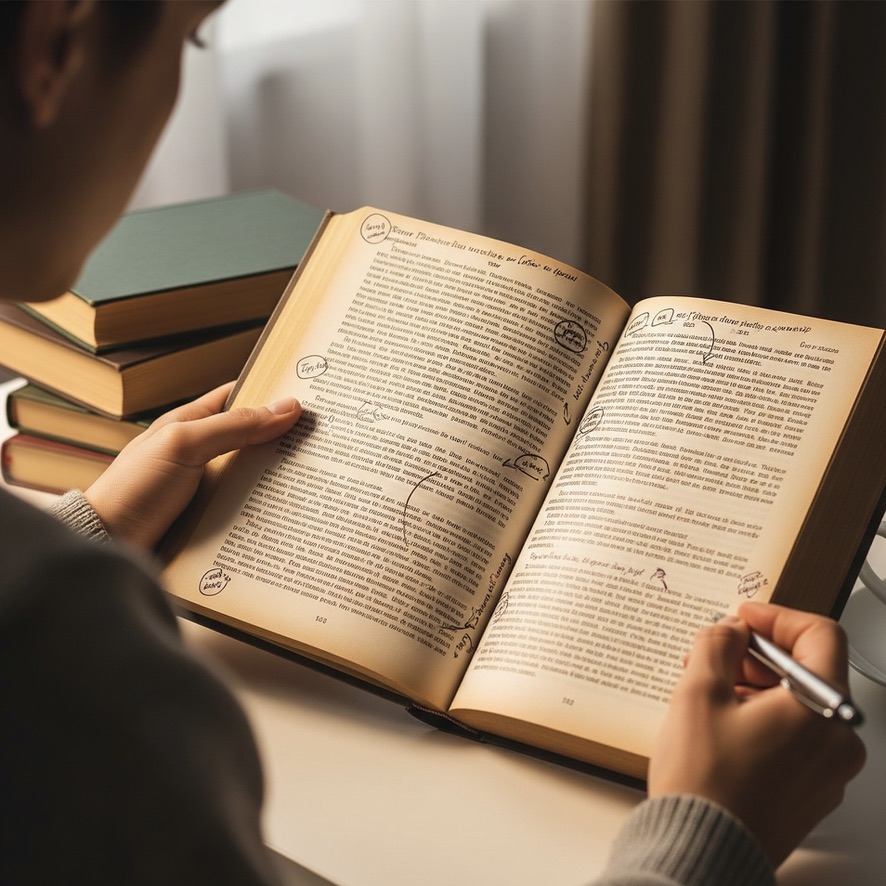
Now that you are finally ready to read with intention, the real value in reading comes to the surface. The most crucial part is that you need to go into every new book with a plan or goal. A goal to extract as much value from the book as possible, remember this is your precious time, get the most bang for your buck. When reading a book for leisure, there’s nothing wrong with lying in bed or on your favorite couch, relaxing. I recommend that when reading a book you intend to gain knowledge from, you treat it seriously and read in an environment that is ideal for learning. If you plan to read physical books, keep something to take notes either in the book or on notecards or a notebook. Take your time, this isn’t a race to check off a box.
Avoid the Elitist Trap
People who read a lot tend to form a superiority complex. They begin to look down on others who don’t read like us. We scoff at people enjoying the latest fantasy novel, thinking to ourselves that they should be reading something more enlightening. Steven Reese from the Read Your Color substack has a great quote about the two kinds of bad readers.
“On the other side of the road is a different kind of trap. The one where only certain books count. Where condescension is the default mode of communication. Where joy is replaced by superiority (grown out of an inferiority complex), and the point of reading is not to grow, but to win. Transformation never happens because it’s not allowed. We aren’t curious; we’re defensive. We already have the “right” taste, the “correct” views. We don’t need books to change us. Why would we? We already know it all! And the joy? Gone. Reading here is grim, obligatory, dry. It’s a weapon. If the Brainrot crowd reads only for pleasure, the Elitist crowd reads only for prestige. Neither is reading for truth. Neither is open to being surprised.”
Steven Reese
We need to find balance. While reading should be used as a self-improvement tool, it’s also perfectly fine as a leisure activity and probably a better one than most. Don’t scoff at the person reading for leisure and be happy that they aren’t doomscrolling on their phone instead. They may be working on developing a love for reading. We were all there at one point.
Find Your Own Reading System
Over the past ten years, during which I began to take writing seriously, I’ve explored various strategies for active reading. I used to be a 100% digital reader, highlighting on my Kindle and using digital note-taking. The only downside is that the ease of saving things digitally made me a hoarder of information. I would finish books with hundreds of highlights and notes that didn’t really resonate with me or seem very important once I was done. Ever since I transitioned to physical books, with writing on the margins and using note cards, I began to rethink whether something was worth saving, as it took time and effort to save it. Anything I highlight or underline in the book has to have my own note that goes along with it. I don’t just highlight something because it sounds interesting; there has to be a reason, and I need to be able to explain that reason on the spot.
Turning Reading into Action
Reading is an investment of your most valuable resource—time. Don’t waste it on skimming or racing through books to say you’ve read them. Instead, slow down, take notes, reflect, and allow the best ideas to shape your thinking and actions. If you do, reading stops being a pastime and becomes a lifelong tool for growth.
If you enjoyed this content, please sign up for my newsletter below, share this post with a friend, or read some of my other blog posts. Thanks for stopping by.
Disclosure: Some of the links in this post are affiliate links. This means that, at zero cost to you, I will earn an affiliate commission if you click through the link and finalize a purchase.
Book Ponder focuses on the incredible power of reading, and even though stand-alone articles like these are unique ideas, I like to credit any books that inspired or gave me the resources for the idea.
Processing…
Success! You're on the list.
Whoops! There was an error and we couldn't process your subscription. Please reload the page and try again.
Whatever goal you are working towards, it’s hard to stay motivated and on the path. One thing that works for me is asking, What is the legacy I am going to leave behind? How am I going to be remembered?
There are two paths in life. One is the path of comfort, where you do the bare minimum to get by and enjoy your life as much as possible without hardship. It is more respectful to choose this path willingly rather than go down this path while talking about taking the road less traveled. You can still be a good human and live a fulfilling life on this path, but you most likely won’t leave a lasting legacy. If this lifestyle resonates with you and you decide to settle for a comfortable life, then your journey ends here. The reading that follows is for those who want to be more than mediocre and live a life worth remembering.
Avoid the Middle Ground
Being stuck in the middle is the worst thing you can do. This is the person talking about living a life worth a legacy, but their actions are those of someone living a mediocre life. I’m as guilty as anyone else with this, but I refuse to give in and settle for a mediocre life. As my 40th birthday nears, I value time more and more each day, but it’s still not enough. There is always room for improvement.
You must choose which life you are going to live.
So, now that you have decided not to live a mediocre life, how do you maintain that fire to do all that must be done to fulfill your goals?
Live Like Your Heroes Are Watching
A concept that will keep you grounded and on the path to becoming better is to act as if (God) or whatever you believe in is watching. If you aren’t religious, then use someone you respect and want to make a good impression on. Imagine if they had a camera on you, watching your every move. What would they think? Would you act differently? Act as if you are constantly being watched.
“Imagine that your own ancestors—of blood and of bravery—are standing here, watching you, protecting you. Remind yourself what they would do right here and right now. You can’t let them down. So be braver. Right now. Here, in this decisive moment.”
Ryan Holiday
Study the Lives You Admire
As an avid reader, my favorite parts of books are the first quarter of a biography. The part that shows the journey. I don’t want to hear about what people do once they make it; that doesn’t help me at all. I want to read about the struggle, the adversity they had to overcome, and the dedication that it took to achieve their goals. The main takeaway I always get from this part of biographies is the urgency and intensity that was put towards working towards their goals. Cal Newport emphasizes a similar point, where he says that great people in history work so hard at something that others can’t fathom and assume they must be naturally gifted.
Pick someone you admire, dead or alive, and research their life. I guarantee that the majority of them wasted very little time and poured all their resources into becoming successful. That’s what it takes: you must sacrifice something. A life of comfort won’t get you to where you want to be.
Prove Your Legacy Through Action
No one will remember you from your words without actions. In Lives of the Stoics, Ryan Holiday has a great quote about leaving a legacy.
“It’s a reminder all these years later for everyone considering their legacy. It’s not what you say that lives on after your time; it’s not what you write or even what you build. It’s the example that you set. It’s the things that you live by.”
Ryan Holiday
This encourages you to focus on taking action on things and stop constantly just talking about the things you are going to accomplish.
How Will You Be Remembered?
If nothing up until this point was enough to move you to live a life worth remembering, then I leave you with this quote that I constantly return to when doubt creeps in and I feel myself slowly falling back to mediocrity.
At the end of my life, will anyone know that I came this way? What will my gravestone say? Will my descendants tell stories about me?
If the answer to those questions is not one you want, then you still have work to do.
Start today, write down your short-term and long-term goals, and make a detailed step-by-step plan to achieve them. There are no shortcuts, you must do the work.
If you enjoyed this content, please sign up for my newsletter below, share this post with a friend, or read some of my other blog posts. Thanks for stopping by.
Disclosure: Some of the links in this post are affiliate links. This means that, at zero cost to you, I will earn an affiliate commission if you click through the link and finalize a purchase.
Book Ponder focuses on the incredible power of reading, and even though stand-alone articles like these are unique ideas, I like to credit any books that inspired or gave me the resources for the idea.
Processing…
Success! You're on the list.
Whoops! There was an error and we couldn't process your subscription. Please reload the page and try again.
Have you ever had a childhood friend you lost touch with, and when you ran into them years later, they were changed entirely? Perhaps it was age, but there was something else you just couldn’t put your finger on. Perhaps their demeanor and confidence weren’t where you expected their life trajectory to take them. The more you catch up, the more you learn they overcame adversity that changed them.
Grant and Truman: Paths to Greatness
As an avid reader of biographies, I see this all the time; as you read along the early years of someone’s life, you can’t help but wonder how they eventually ended up as great people in history.
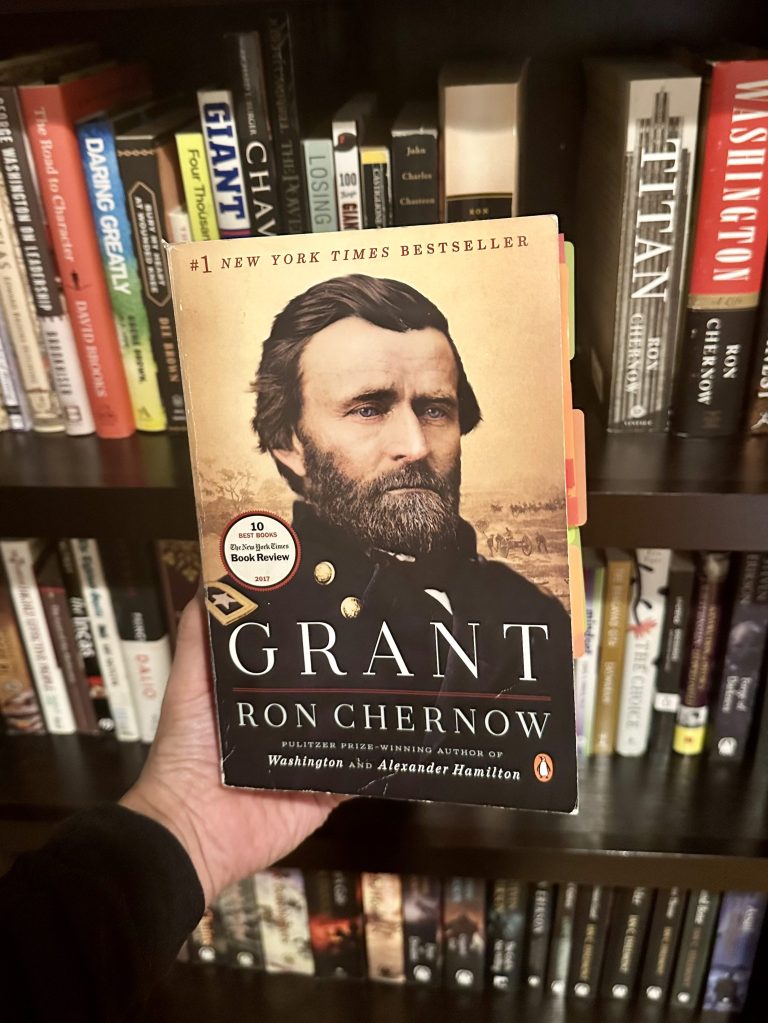
Two American heroes come to mind; the first is Ulysses S. Grant, who went from a Mexican-American War veteran down on bad times to the leading Union general in the Civil War to the eventual 18th President of the United States guiding the country post-civil war.
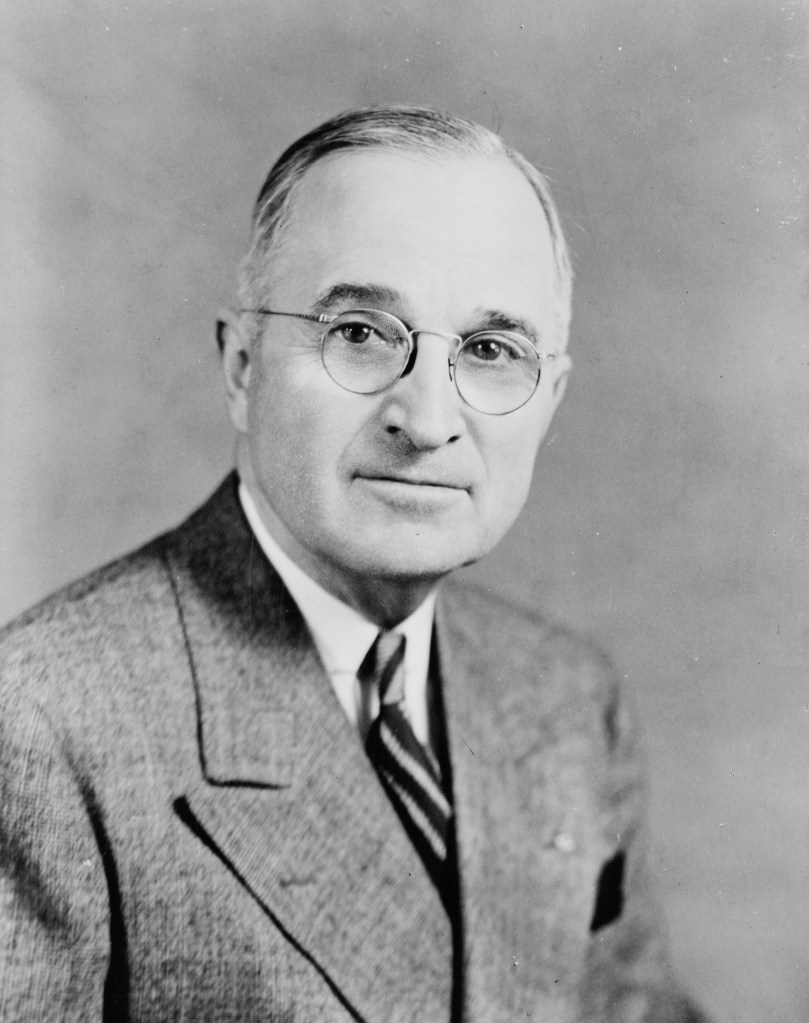
The other is Harry Truman, who went from being a shy boy working on his father’s farm, keeping his head down in awkward situations, to being a Captain during World War I and eventually becoming the 33rd President of the United States.
Grant: Forged by Adversity
Ulysses S. Grant battled alcoholism, betrayal, financial troubles, and constant hits on his pride and ego. Friends and comrades never thought Grant would amount to anything, but these years of adversity hardened him. When the South seceded from the Union, a fire was lit under Grant like never before. Lincoln put his faith in him, and that was all he needed to put all the lessons a problematic life had given him into action.
Grant scoffed at other West Point graduates who had everything handed to them. They never faced adversity like Grant did, giving him an advantage over most. While facing adversity, I bet Grant would have wished for an easier life, but once he was in the White House, he understood that the struggle had given him the skills to succeed.
Harry Truman: From Shy Boy to Steadfast Leader
Harry Truman was a good kid growing up in Independence, Missouri. He lived in a standard middle-class family and faced little adversity growing up. Deep down, Harry knew he had to toughen up and take risks to become his own man. With his big-rimmed glasses and some of the worst eyesight of anyone he knew, his friends and family scoffed at Harry joining the United States Army during World War I.
War completely changed Harry Truman. He found courage he didn’t know he had and worked his way up to Captain. Watching comrades die around him and not being sure if he would make it back home to see his wife and family changed him forever. No longer was he the shy boy who avoided confrontation.
Years later, as a Judge, Senator, Vice President, and President, he used his experiences from World War I to face the hardships of leadership head-on. He never allowed outside circumstances to change his demeanor and always focused on the task at hand. He truly emphasized the practice of controlling what you can control and controlling how you react to things outside your control.
“More important, he was not the same man who left for France only the year before. The change was astounding. He had new confidence in himself. He had discovered he could lead men and that he liked that better than anything he had ever done before. He found he had courage—that he was no longer the boy who ran from fights—and, furthermore, that he could inspire courage in others.”
David McCullough
Safely Embracing Adversity for Growth
The crucial question is, “How do we safely implement adversity in our lives?” Not all of us want to go to war, be poor, or experience tragedy, yet we all want the growth that comes from it.
For starters, this is especially difficult as a parent. Some of history’s most talented and influential people had a troubled childhood. Nobody wants to be a deadbeat parent to give our child a slight chance at success. Instead, we need to provide them with adversity by challenging them and not handing life to them on a silver platter. Make them earn whatever they want. Sports is the safest way to have your child face adversity. By facing pressure, experiencing failure, and dealing with unfairness, sports allow kids to grow in a secure environment.
Challenging Ourselves as Adults
What about as adults? Most of us have faced some adversity in our lives, but what if we are still kind of soft and fold under pressure? This is where challenging ourselves physically and mentally comes into play. We may still play competitive sports, but for most adults, that’s not feasible; we can still try to be as fit as possible in our circumstances. Becoming strong, fast, or agile and constantly challenging yourself to improve will give you growth from adversity.
In a professional sense, challenge yourself in your career. Apply for a position with more responsibility; don’t stay comfortable in the same job you’ve had for the past few years.
Challenging yourself mentally can mean getting outside your comfort zone and trying new things. Learn a new skill, read a challenging book, and find something to be proficient in. So many things will give us growth and challenge us, and typing this gets me excited just thinking about it. There is no better feeling than putting in the time and getting good at something..it can be anything.
The more you overcome challenges, the better you will get at everything in life, and things that used to get you down or intimidate you will feel irrelevant.
Adversity has generated greatness in many people in history, and I hope it can help unlock some of it in you.
If you enjoyed this content, please sign up for my newsletter below, share this post with a friend, or read some of my other blog posts. Thanks for stopping by.
Processing…
Success! You're on the list.
Whoops! There was an error and we couldn't process your subscription. Please reload the page and try again.
Disclosure: Some of the links in this post are affiliate links. This means that, at zero cost to you, I will earn an affiliate commission if you click through the link and finalize a purchase.
Book Ponder focuses on the incredible power of reading, and even though stand-alone articles like these are unique ideas, I like to credit any books that inspired or gave me the resources for the idea.
Clicking the images below will take you to the Amazon page to purchase the book.
As an avid reader of history and biographies, I am always intrigued by how much people read, especially leaders and highly successful people. Analyzing reading habits from a time when reading became widely available to all in the 15th century with the invention of the printing press to the present day, reading has been on a steady decline for the past few decades. This got me thinking: why would people read less now if it’s common knowledge that reading is good for you? The answer is a combination of the multitude of distractions vying for our attention, leading to those same distractions taking away our ability to focus for long periods of time, which is the type of focus that reading requires.
Reading’s First Competitors
Originally, one of the first leisure activities that began to be a substitute for reading was television. At this point, television didn’t dominate people’s lives like it does today, with specially curated TV shows to keep you hooked for as long as possible. You would either watch your favorite sports team play a game a couple of nights a week, the local news, or a talk show the family would watch together after dinner. While these activities might take time away from reading, they were also social activities and not something people did on their own; reading was still king.
The integration of personal home computers and gaming consoles, which became widely available in the mid-1980s to early 1990s, was the first real damper on reading. This was a leisure activity done alone, besides the occasional gaming with friends. While these did take away from reading, they did not take away from our ability to focus on singular activities for long periods of time. The games were challenging, and computer activities still had a learning curve that didn’t make them easily accessible to everyone.
Reading still held the crown, but it began to see the storm rising. Books were still our nightly companions before bed, our entertainment on long trips to the bathroom, and something to pass the time when there was nothing good on TV.
The Rise of Social Media
In the early 2000s, a friendly guy named Tom introduced us to MySpace, which was followed shortly by the release of Facebook. Finally, reading had found its first real challenger. Social media combined with instant messaging programs encouraged people to spend all their leisure hours on the computer. Laptops were becoming more commonplace in homes, which meant you could bring your Top 8 with you wherever you went. If you’re too young for that analogy, MySpace had a feature where you could choose the top 8 friends that would show up on your home page. This was a big deal back then and would show where you stood in your friend’s group! Reading was beginning to feel the heat.
The iPhone Delivers the Fatal Blow
On January 9, 2007, reading was handed an eviction notice by then Apple CEO Steve Jobs that reading as a leisure activity was going to be obsolete starting on June 29, 2007, with the release of the iPhone. Not really, but in hindsight, it sure felt that way. A handheld device that could do EVERYTHING. Reading physical books was a thing of the past.
Like Gollum hiding in the Mountains of Mist for 500 years with the One Ring, books went into hiding, plotting their return to former glory someday. Reading came to the brink of extinction, but a small number of people (mostly successful ones) still saw value in it. One thing came of this that no one expected; all of a sudden, reading became rare again. A once skill that was common for everyone was only being used by those knowledgeable enough to see its value.
The return of books and reading has been a crawl that was assisted by the release of portable reading devices, most notably the Kindle. Now, we could carry around entire libraries with us and read whenever our hearts desired. Unfortunately, this led to the downfall of brick-and-mortar bookstores, some of the most exciting places for readers to visit when traveling to new places. I remember when I was growing up, in any new city we would visit, I wanted to see what local bookstores they had. Fast forward to 2012, Barnes & Noble was holding on for dear life as the only chain bookstore left with a handful of local independent bookstores.
Healing A Damaged Brain
As the years passed, a slow shift began to occur. People began to have nostalgia for the joys of reading. They missed the days when you could lose yourself for hours in a good book without the constant pinging in your pocket vying for your attention. The shift to physical books had begun, but this time, something was different.
People were returning to reading like soldiers who were returning home from war. Something was broken inside of them. Many soldiers come back from war and can transition back to civilian life with no problems. Others, though, have mental health issues like PTSD that never leave them the same, and it takes hard work to come back to something close to normal. Readers were coming back to reading with minds that had lost their ability to focus. The endless hours spent on short content frying their brains with an abundance of unearned dopamine hits. Those people wanted to read, but a deep urge would overcome them before they could even finish one page of a book. The “quick glance” to the phone to see if they had any notifications. The agitation they would feel after turning the page of a book without a reward. They would decide whether or not to read a book based on its length. If a book was too long or too dense, the dopamine hit they yearned for would take too long to come. A short article or YouTube video would be better suited.
The desire was there, but brains that were damaged needed healing to return to their previous state. Eradicating boredom had unknowingly removed people’s ability to focus.
No one knew how important being bored was. The ability to be bored without reaching for a distraction is the same skill as being able to focus on a challenging task for long periods of time. Growing up in the pre-smartphone era, we had no problems focusing on a book because our days were filled with moments of boredom. We had no clue that if we eliminated those moments of boredom, we would lose the ability to concentrate.
Through personal experience, I can tell you that I regained my ability to focus after reading Cal Newport’s book “Deep Work.” I began to train my brain with small moments of boredom every day and one longer session per week. My short sessions would be something like not listening to anything on my drive to work and just allowing myself to think. Another example would be waiting in line at the grocery store or in the waiting room for an appointment without taking my phone out as a distraction.
At first, the desire to grab my phone was overwhelming, but slowly, the urge simmered down, and I began to enjoy my moments of boredom. My longer weekly sessions usually meant going on a 30-minute walk without my phone. These brought me the most benefit because walking is a powerful tool for generating new ideas and working through difficult problems. I just needed to remember to bring something analog to jot down the backlog of ideas that were all of a sudden coming to me after years of never doing anything without an audiobook or podcast playing in my ears.
Reading is a Superpower
The distraction age has made reading and the ability to focus a superpower. If you can manage to heal your brain to its previous state and replace some of your leisure activities with reading, you will see improvements in all facets of your life.
I hope that after reading this, you can become a pioneer in bringing reading back to our lives and encourage future generations not to make the same mistake we did. Some of the world’s best engineers are working day and night to create even more addictive algorithms to keep us doom scrolling on their apps at the slightest hint of boredom. Don’t allow them to take your life away from you. Years from now, you will wish you had lived a more present life instead of watching hours of Instagram Reels, YouTube shorts, TikTok videos, or whatever the next thing will be; we must be proactive to save ourselves and future generations.
If you enjoyed this content, please sign up for my newsletter below, share this post with a friend, or read some of my other blog posts. Thanks for stopping by.
Processing…
Success! You're on the list.
Whoops! There was an error and we couldn't process your subscription. Please reload the page and try again.
My goal in 2025 was to prioritize reading more than ever by minimizing my screen time and replacing TV, video games, and social media with reading. This strategy truly paid off: I read a record nine books.
Now, to the books.
On Writing by Stephen King
As a writer it’s a good idea to squeeze in a book “on writing” every once in awhile. It gives you a refresher on the foundations of your craft and some new insights you weren’t aware of. Last year I read “On Writing Well” by William Zinsser, which may be the greatest book ever written on writing.
Stephen King’s book on writing brings a unique element to the writing story that many other books lack. It’s an autobiography/writing guide hybrid. King pairs his writing advice with the experience that taught him the lesson. It’s incredible to enter the mind of the most excellent horror author and see him overcome adversity (like getting run over by a car) to become great at his craft.
I strongly recommend it to everyone, even if you aren’t a writer. His advice applies to all other creative endeavors.
George Washington on Leadership by Richard Brookhiser
I had this short George Washington book on my bookshelves for years, most likely from a thrift store book haul. I liked the hardback cover and it looked good on the bookshelves.
Unfortunately, it did not live up to the usual biographies and history books I read from great authors like Ron Chernow, David McCullough, and Doris Kearns Goodwin. Still, it is a good introduction to our first president and a good way to extract the main lessons he applied to his life.
It’s not a bad read, but I recommend Robert Middlekauff’s The Glorious Cause to witness Washington in all his glory.
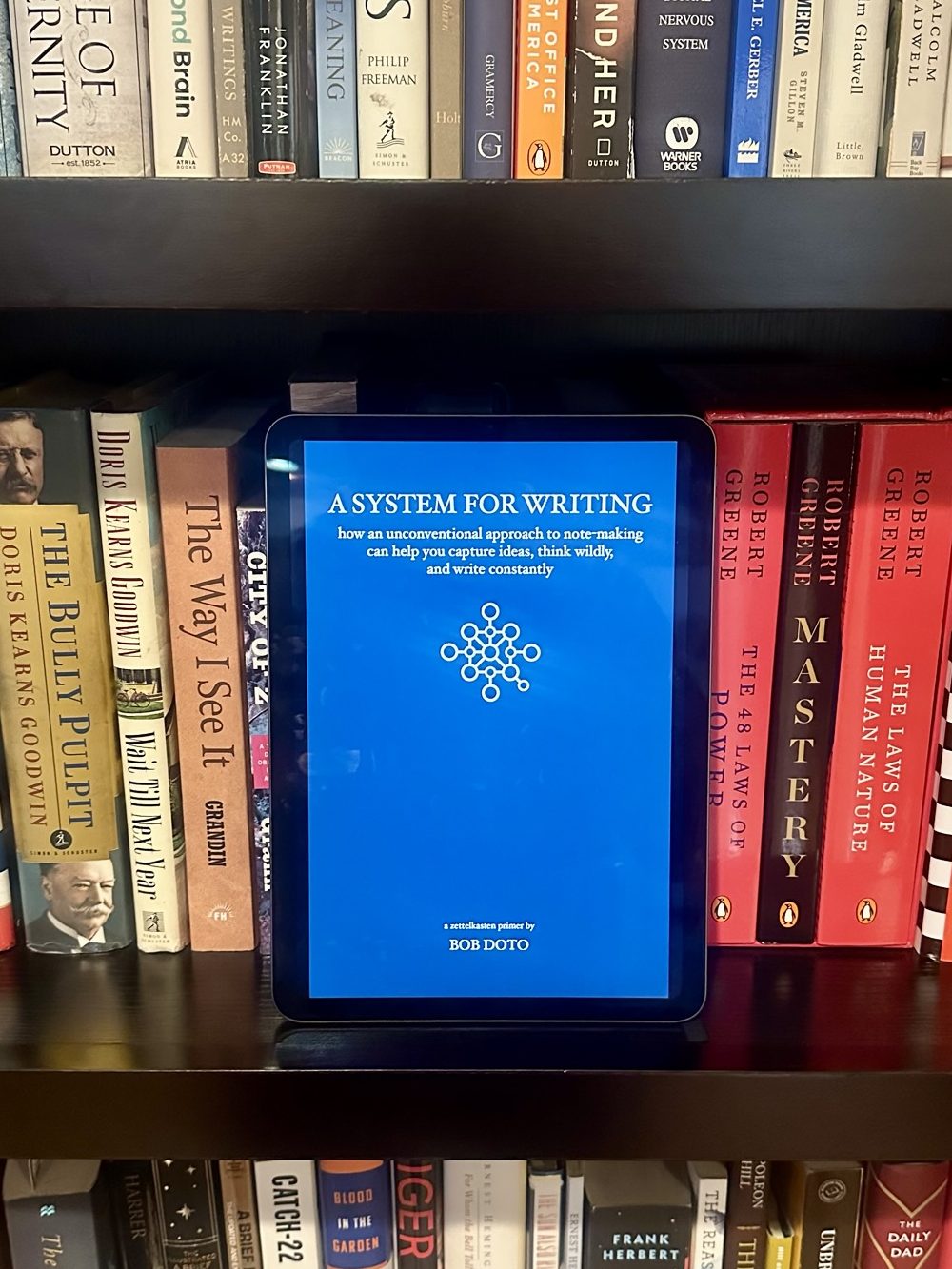
A System for Writing by Bob Doto
This short ebook was a great companion alongside “How to Take Smart Notes” by Sonke Ahrens. It’s an excellent primer for building a Zettelkasten note-taking system. The Zettelkasten note taking system was created by Niklas Luhmann, a German author and sociologist. Instead of using the standard folders and top-down approach to organizing your notes, he instead would organize his notes by connections. This allowed his ideas to link with each other to generate new ideas. This system works great because it does the opposite of a standard note taking system. With standard systems, the more information you feed it, the more unorganized and complex it becomes, while slowly becoming more difficult to find the information you are looking for.
On the other hand, the Zettelkasten method improves the more you feed it. As it grows, more connections and ideas are generated. I was always skeptical of it and had difficulty starting (probably because I didn’t have enough data to feed it). This past year, I committed to my Zettelkasten on Obsidian and can’t keep up with the new ideas it generates. The Zettelkasten may not be for everyone, but if you try it out, at least give it a few months to grow with you.
If you are interested, I would recommend these resources:
A System for Writing was a good read that taught me new note-taking, writing, and reading lessons.
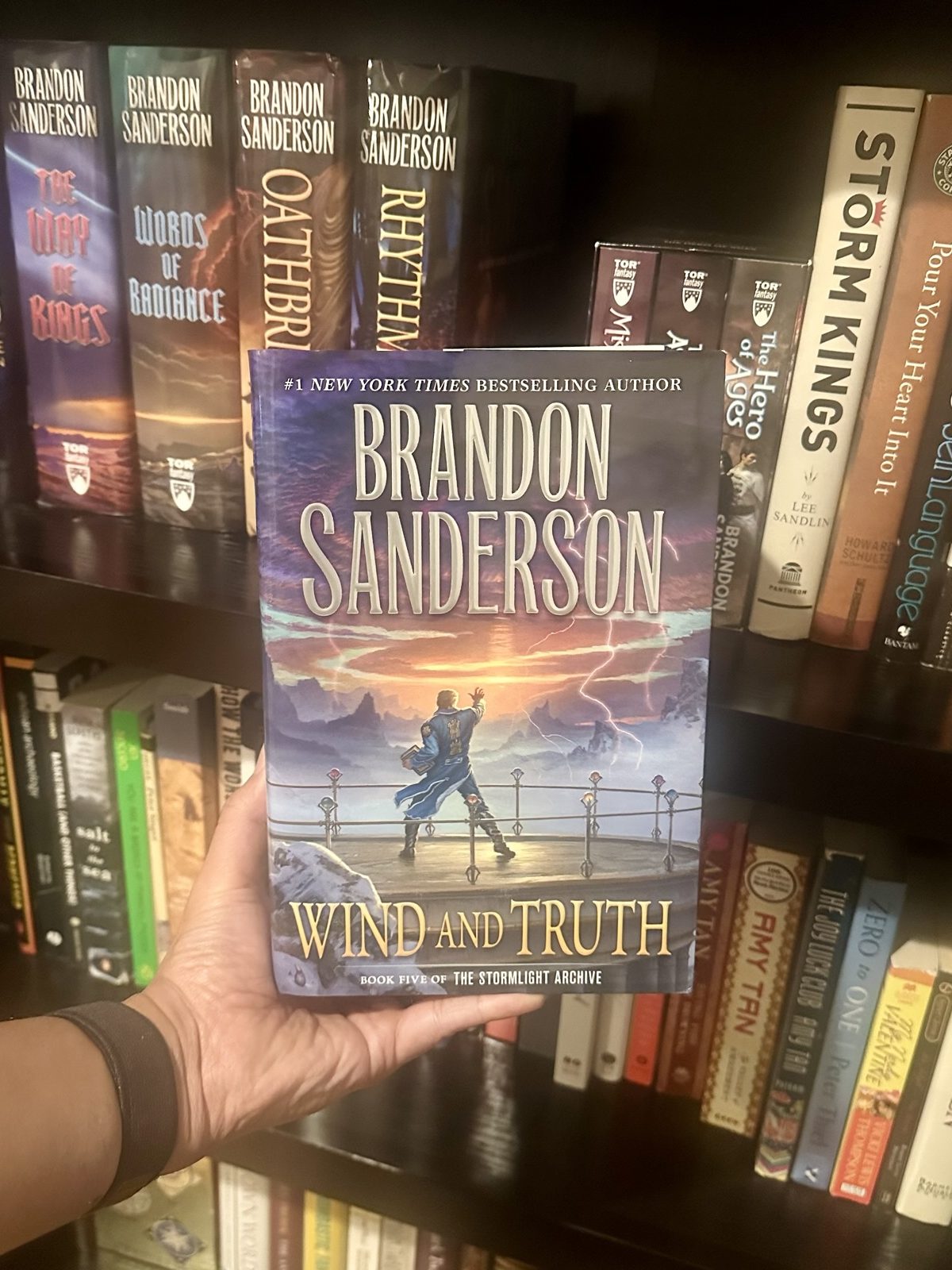
Wind and Truth by Brandon Sanderson
90% of my reading is non-fiction, but I do have a few favorite authors from my fiction reading days that I still keep up on.
Since its debut in 2010, the Stormlight Archive series has been one of my favorite epic fantasy series. Brandon Sanderson is an excellent writer, and this was another great addition to the series. I won’t go into it too much, but Sanderson is your man if you are interested in a good fantasy author that is constantly publishing new books.
David Copperfield by Charles Dickens
My goal for the next few years is to work through my backlog of classics. After reading Gone with the Wind last year and now David Copperfield, I realized many of these classics are long! This is entirely understandable, though, because reading was the main leisure activity back then. There weren’t hundreds of different TV shows in production, dozens of movies being released every week, or video games and smartphones to keep us distracted. People probably wished books were longer to get their money’s worth.
The novel follows David Copperfield from childhood to adulthood. He perseveres through various hardships. It is a great coming-of-age novel, and Dickens does an excellent job creating an affinity between the reader and David. It is a fantastic read, and I understand why it’s considered a classic.
Crime and Punishment by Fyodor Dostoevsky
Widely considered one of the greatest novels ever written. My only quibble is that I wish I could read it in its native language. It would be disrespectful if I called it the greatest crime fiction ever written because it’s so much more than that. Dostoevsky pulls you into the mind of a man going through psychological warfare. The writing is incredible and almost made me want to throw my hands up and say “I can never be this good at writing.”
Alas, here we are still trudging along.
A book that genuinely merits to belong on the list of books to read before you die.
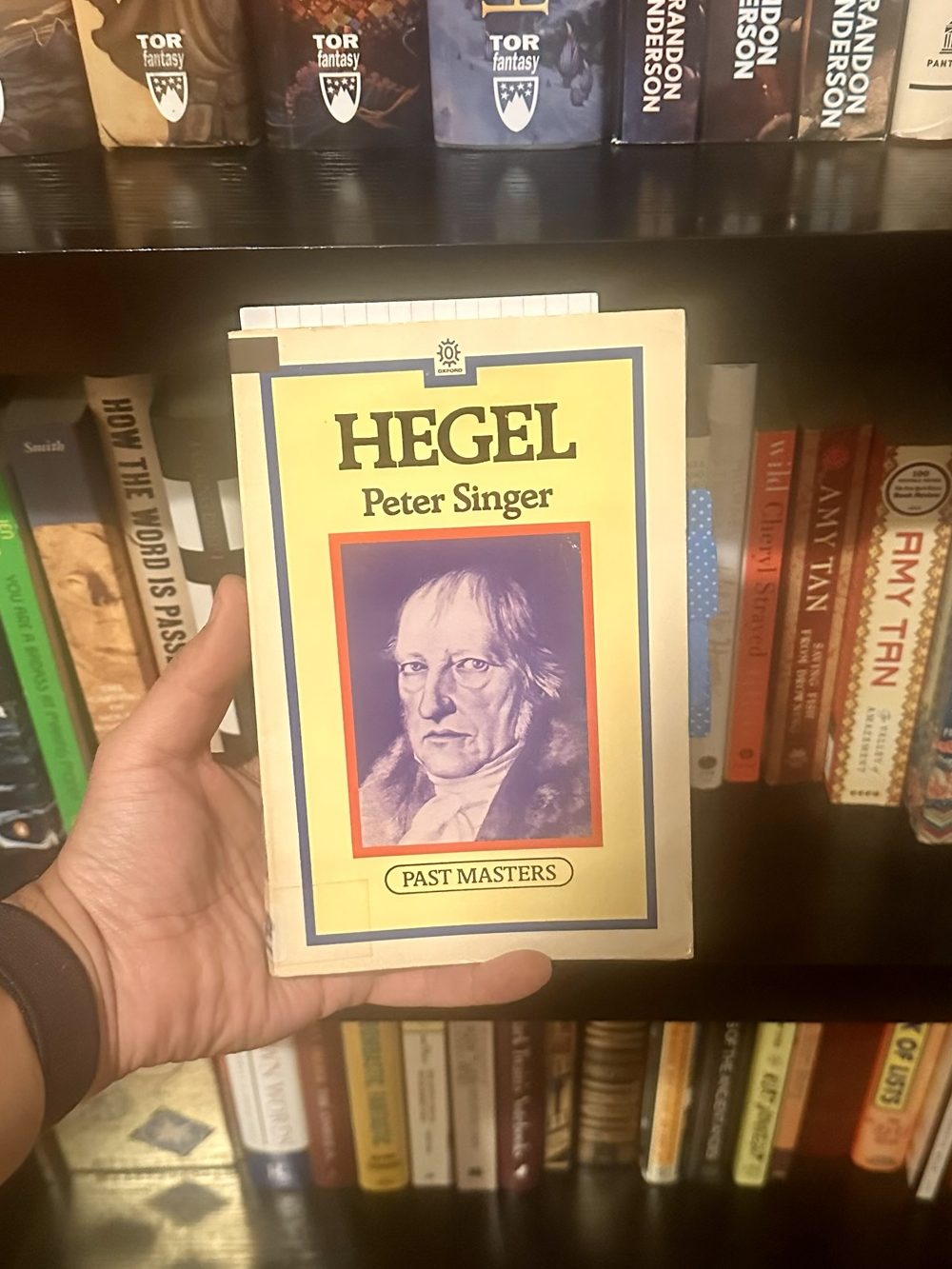
Hegel: A Very Short Introduction by Peter Singer
Hegel is a well-known German philosopher whose writings have been discussed and argued for centuries by great thinkers and philosophers. However, his writing is notoriously difficult to read, and many intellectuals find it challenging to decipher.
Peter Singer does an excellent job guiding us through his works and extracting some of the key concepts from his ideas. I recommend this short book if Hegel’s ideas intrigue you and you want to learn more about his work.
On a side note, is there any German intellectual who Goethe didn’t influence? His name appears frequently in many of the biographies I read, namely Ralph Waldo Emerson and the Transcendentalist Club.
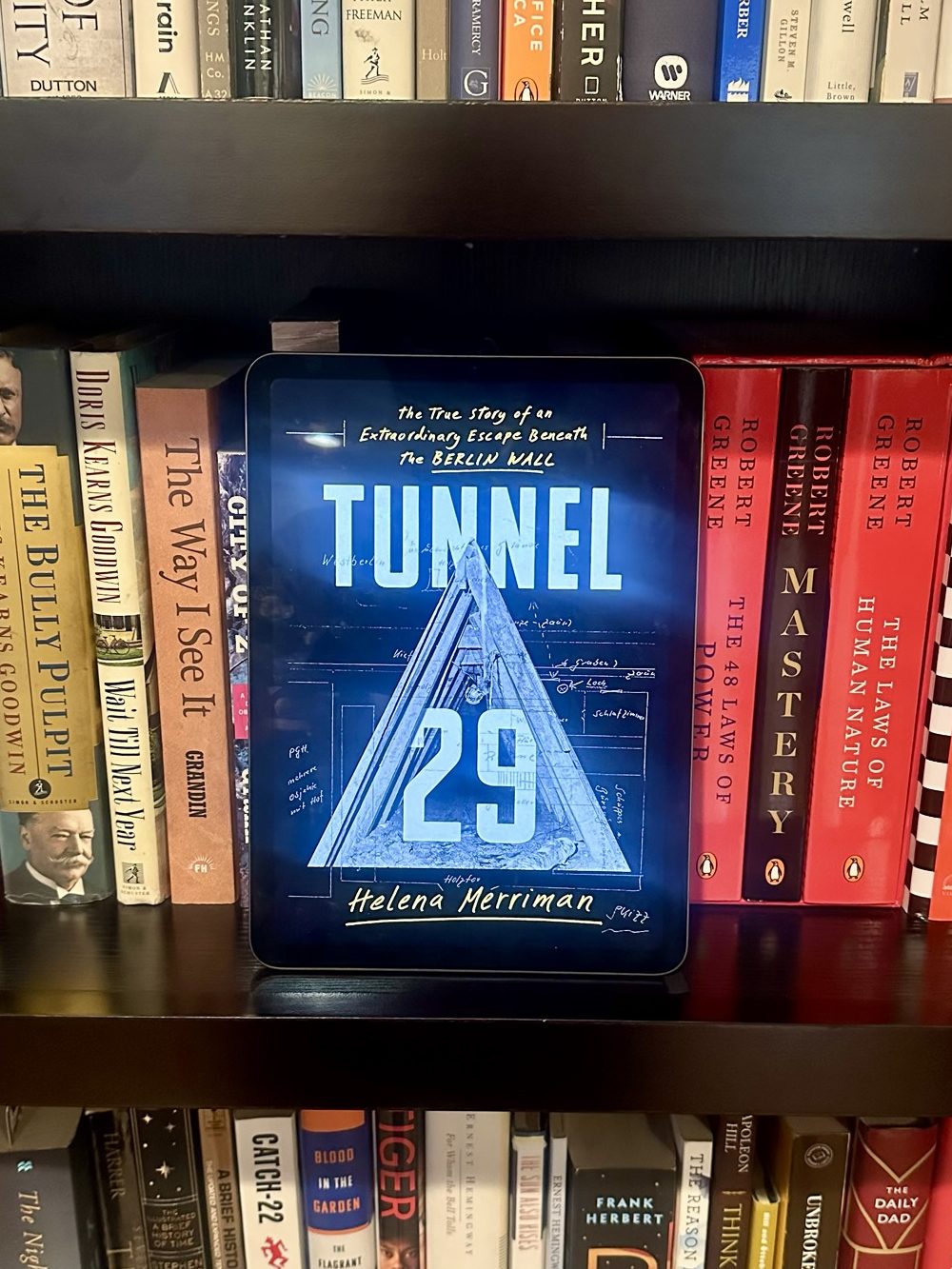
Tunnel 29 by Helena Merriman
One of the benefits of reading multiple books at once is the connections that are made. Tunnel 29 is a fascinating true story of the East Germans’ version of the Underground Railroad, where East Germans were smuggled into West Germany to escape communism. At the same time, I was reading the biography of Harry Truman, and the Americans were concerned over what the Soviet Union was doing in Berlin post World War II.
Merriman does an excellent job immersing the reader in a thrilling story while simultaneously teaching us a history lesson. I could not put this book down, and it was shocking to learn that the Berlin Wall stood for 28 years.
Truman by David McCullough
This is my proudest read in recent years. David McCullough successfully wrote an 1120-page turner biography on a simple man from Independence, Missouri, who made it to the Oval Office. I related to Truman in many ways, and my favorite character traits were his ability to stay calm under fire and never stray from his core values, even if it cost him everything.
Truman was thrust into the presidency after FDR died in the middle of World War II. Once president, he first heard of the Manhattan Project and had to make decisions that would affect the entire world moving forward.
As if that weren’t enough, he lost all the popularity gained from WWII by participating in the Korean War. Truman made all of his decisions based on right or wrong, with very little gray area, regardless of the consequences for his popularity, and that was what I liked about him most.
In hindsight, Truman’s popularity continues to rise in the annals of American history. He made difficult decisions that benefitted the country long-term, even if they were unpopular then.
My Best Month Ever
This is the first month I have read nine books, and I highly recommend eight of them. I am overjoyed that my system for consuming content continues to improve and that I am generally satisfied with the majority of the books I read. I have a difficult time reviewing fiction books without spoiling anything, so the most I can do is tell you if it’s good or not. Let me know if you have read or plan to read any of the books listed and what your thoughts on them were.
If you enjoyed this content, please sign up for my newsletter below, share this post with a friend, or read some of my other blog posts. Thanks for stopping by.
Processing…
Success! You're on the list.
Whoops! There was an error and we couldn't process your subscription. Please reload the page and try again.
Disclosure: Some of the links in this post are affiliate links. This means that, at zero cost to you, I will earn an affiliate commission if you click through the link and finalize a purchase.
Honest Parenting: Teaching Kids About Life’s Realities
Many kids grew up disappointed by their parents. They couldn’t understand why Dad was never home, and when he was, he was always too tired to play. The daughter wonders why Mom never comes to her volleyball games, yet some of her teammates have an entire crowd there to watch them. Life isn’t fair, and watching kids learn about it the hard way is gut-wrenching.
While it’s not ideal to overwhelm young children with your problems, it’s also an opportunity to teach them about the real world.
Instead of lying to your kids about being at their games, be honest and tell them your work schedule. Then, promise to be there when on the games when you are off. This shifts the responsibility to the parent; it just requires you to stick to your word.
The next time your kid asks you to play catch, be honest and tell them you can’t because your back hurts from work. Instead of saying no, offer an alternative, like playing video games together or watching a movie. Kids usually want to spend time with you, regardless of what it is.
Turning “No” Into Growth: Identifying What Needs to Change
Reflecting on why you say no to your kids is a great road map to making changes. If you can’t play catch with your kids because your job leaves you too tired, find out why. Is it because you’re staying up late, scrolling on your phone instead of getting more sleep? Is it because you have let yourself go physically? This may differ for everyone, but determining why you are saying no to your kids is the best indicator of what to change.
Leading by Example: Honesty, Growth, and Breaking the Cycle
If your kids see that the reasons you aren’t as available have nothing to do with them, it is because Dad or Mom had to work two jobs to keep food on the table, or your health is deteriorating from lifelong unhealthy habits. Being honest will teach them and allow them to learn from your mistakes.
When they have children, they will remember why you weren’t available and try to remedy the situation. They will face challenges but know never to lie to their kids.
You only live once, and setting your children up to be better parents than you doesn’t mean you should give up on becoming a great parent. You will always be their Dad or Mom, but it’s never too late to make a change.
Further Reading
Book Ponder focuses on the incredible power of reading, and even though stand-alone articles like these are unique ideas, I like to credit any books that inspired or gave me the resources for the idea.
My idea for this post came from a section in Ryan Holiday’s book “The Daily Dad”.
It’s about Angela Merkel’s father lying to his family instead of being honest.
It took a toll on his family. ‘The worst was when he said he would be right back,” Merkel later reflected, ‘but then it took hours for him to return.’ Often she would find herself waiting for hours in the street, expecting him home at any minute, always to be disappointed.
Ryan Holiday in The Daily Dad Pg. 89
If you enjoyed this content, please sign up for my newsletter below, share this post with a friend, or read some of my other blog posts. Thanks for stopping by.
Processing…
Success! You're on the list.
Whoops! There was an error and we couldn't process your subscription. Please reload the page and try again.
Disclosure: Some of the links in this post are affiliate links. This means that, at zero cost to you, I will earn an affiliate commission if you click through the link and finalize a purchase.
It can feel overwhelming to face disappointments when you’re aiming for positive changes in your life. Just remember, this doesn’t mean you’re not a great person! The cheeseburger and fries you enjoyed last week were simply part of the journey before you decided to focus on getting in shape and eating healthier. During a self-improvement phase, old habits can stand out more, but that’s completely normal.
Celebrate Small Wins to Build a Life You’re Proud Of
You need to begin celebrating the small victories, or else self-improvement will be filled with misery and disappointment. Improving your life can be difficult because you may be trying to overcome habits that have been hard-wired into you since childhood. Not having a beer after work may feel like torture when it’s what you’ve been doing for the past decade. Saying no to the co-worker who brings donuts will be difficult.
Own Your Wins
Congratulate yourself when you stick to your habits.
If you get up early to go to the gym before work, be excited that you are doing things nobody else wants to do. These small wins will keep the momentum going and translate to other facets of your life.
Get up early and work out while everyone else is still asleep? That’s you.
Now redirect that to other parts of your life.
The person who never eats junk food? That’s you.
The person who only uses their phone as a tool? That’s You.
The person who doesn’t need the shiny new toy and practices delayed gratification? That’s you.
Replace the above habits with some of your own that you currently accomplish or strive to accomplish; the key is to be proud of yourself.
Be Your Biggest Fan
This post isn’t an instruction manual on improving your life; it’s about keeping the momentum going. Just like you celebrate your favorite sports team’s victories, celebrate your victories, too. The same feeling of wanting to quit because you get down on yourself anytime you make a mistake, can be switched up. Continuing to perform good habits because you are making the fan (you) happy will keep you going through the difficult times.
f you enjoyed this content, please sign up for my newsletter below, share this post with a friend, or read some of my other blog posts. Thanks for stopping by.
Processing…
Success! You're on the list.
Whoops! There was an error and we couldn't process your subscription. Please reload the page and try again.
Disclosure: Some of the links in this post are affiliate links. This means that, at zero cost to you, I will earn an affiliate commission if you click through the link and finalize a purchase.
Book Ponder focuses on the incredible power of reading, and even though stand-alone articles like these are unique ideas, I like to credit any books that inspired or gave me the resources for the idea.
































 Book Ponder