

On my normal 30-minute commute to work, while listening to yet another educational podcast or non-fiction audiobook, I was overcome by an uncomfortable sensation that my brain was bloated with the constant stream of information entering through my ears. I decided to pause what I was listening to and allow myself to be alone with my thoughts for the rest of the drive. After a couple of minutes, I noticed how beautiful the sunset was as it waved its goodbye for the day between enormous cumulonimbus clouds. I rolled down my window for a better view and was pleasantly surprised by how refreshing the Autumn breeze was. How was I missing out on this bliss every time I made my commute? After a few moments, I began to generate ideas and thoughts that had been missing due to the constant distracted state my mind was in. The longer I stayed in this undistracted zone, the more thoughts, ideas, and solutions came to me; it felt like my own personal assistant was back.

Why Your Brain Craves Distraction
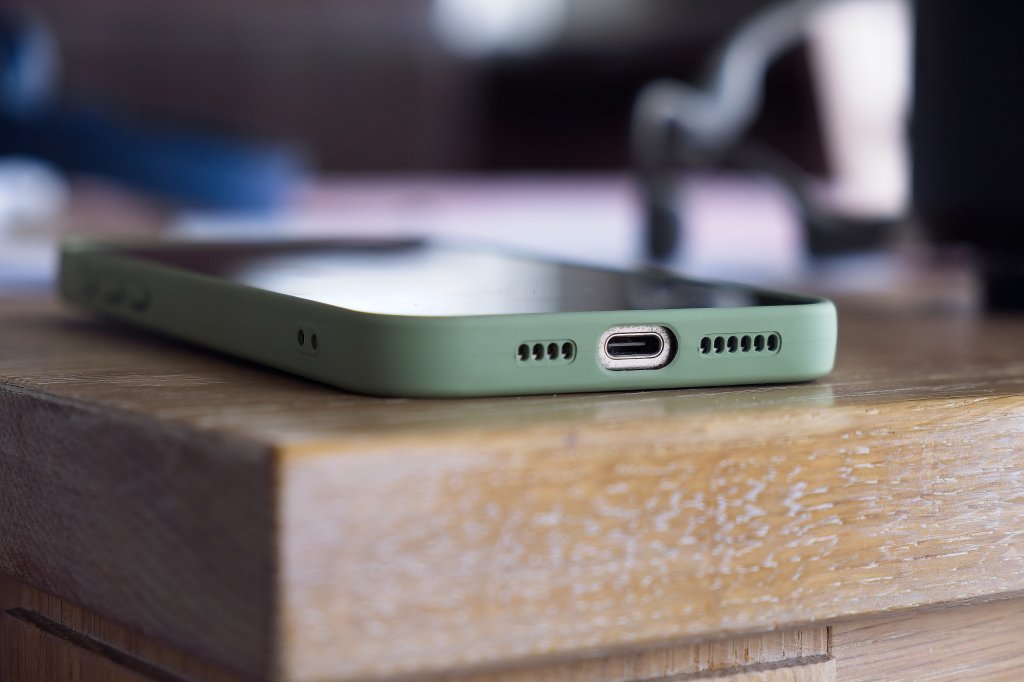
If all things made sense, my mind would encourage me to continue this positive momentum and yearn to return to it, yet the complete opposite happened. My mind was urging me to get back to the phone sitting face down on the center console, and again find the cheap thrill of a quick dopamine hit. This made no sense. Why would my brain desire the thing that makes me feel bad? This is because our brains have become addicted. They’re junkies for instant gratification.
Just like drug addicts look for stronger and stronger drugs to get their fix, dopamine addicts also suffer a similar pitfall. You will know when your addiction is deep when you begin to dopamine stack. Dopamine stacking is the level of brain rot where one form of content isn’t enough. If we are playing a video game, we begin watching a movie or show at the same time. I began to notice this with the kids in my family, where they would be playing a game on their iPad while watching a Netflix show using the picture-in-picture feature. I asked one of them why he was doing this, and he said that doing only one of the things on its own was getting boring, even though when he first got his iPad, a game or TV show alone was plenty of entertainment to satisfy his needs. Our brains continue to crave easier and easier ways for a dopamine hit, and when that’s not enough, we start taking two hits at once. That being said, how do we fix this?
The Digital Fast
The Digital Fast is the same type of benefit that fasting from food gives us. When we fast from eating for long periods of time, our body finally frees up resources that are constantly being used to process our food. This same concept can be used in a digital fast where we finally give our minds a break from processing information in order to free up resources for creativity, critical thinking, and regaining the ability to focus.
Boredom Is a Skill
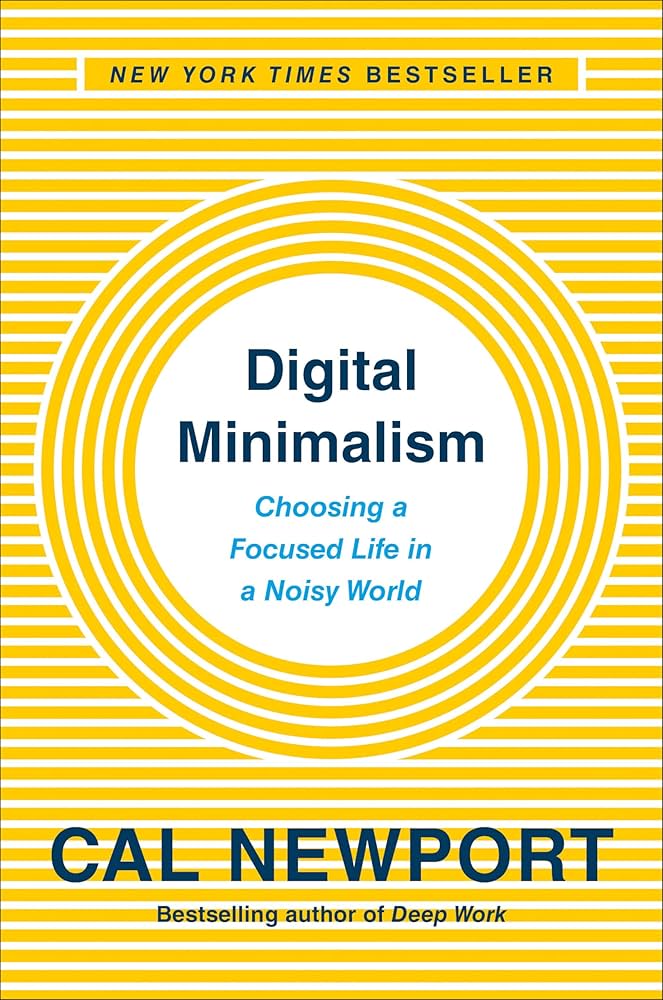
Like any bad habit you are trying to quit, outside of the rare exception from people with exceptional willpower, quitting cold turkey doesn’t work. The best guide for regaining the ability to focus comes from Cal Newport’s book Digital Minimalism, which I recommend everyone read if they want to have a better relationship with technology. The most reliable takeaway from the book was to insert moments of boredom throughout your day. The first step is finding moments where you are eradicating boredom by checking your phone. This can be standing in line at the grocery store or in the waiting room for an appointment. Instead of taking out your phone, allow yourself to sit with your thoughts and observe your surroundings. The urge to check your phone will be strong these first few times, but slowly over time, the urge will diminish, and you’ll enjoy these moments of peace.

Once you master these short moments of boredom, move on to something more concrete. For example, I practice scheduled “boredom” sessions. An easy way to get started is to implement this when driving. Usually, if we drive, we will always be listening to something. Next time, try not to listen to anything, allow your mind to wander, and enjoy the scenery.
Extended Digital Fasts
The last level of regaining our focus is to implement planned digital fasts. These are longer sessions that are outside of our regular day, where we intentionally set out blocks of time to disconnect from any distractions. The best way I’ve found to do this is to go on scheduled long walks. Shoot for an hour, but anything over 30 minutes works. After a while, you will look forward to these walks because these are when some of your best ideas will come to you, just bring something to write them down!
Design Your Disconnect
Of course, like any change you make in your life, your system will evolve and change based on your unique circumstances. Some people achieve a digital fast through steady state cardio sessions on the treadmill, yard work, or any activity that was previously accomplished while listening to content. I’d love to hear what changes you made or any new strategies you used that weren’t listed here.

If you enjoyed this content, please sign up for my newsletter below, share this post with a friend, or read some of my other blog posts. Thanks for stopping by.
Disclosure: Some of the links in this post are affiliate links. This means that, at zero cost to you, I will earn an affiliate commission if you click through the link and finalize a purchase.
Book Ponder focuses on the incredible power of reading, and even though stand-alone articles like these are unique ideas, I like to credit any books that inspired or gave me the resources for the idea.
Further Reading

 Book Ponder
Leave a comment