As an avid reader of history and biographies, I am always intrigued by how much people read, especially leaders and highly successful people. Analyzing reading habits from a time when reading became widely available to all in the 15th century with the invention of the printing press to the present day, reading has been on a steady decline for the past few decades. This got me thinking: why would people read less now if it’s common knowledge that reading is good for you? The answer is a combination of the multitude of distractions vying for our attention, leading to those same distractions taking away our ability to focus for long periods of time, which is the type of focus that reading requires.
Reading’s First Competitors
Originally, one of the first leisure activities that began to be a substitute for reading was television. At this point, television didn’t dominate people’s lives like it does today, with specially curated TV shows to keep you hooked for as long as possible. You would either watch your favorite sports team play a game a couple of nights a week, the local news, or a talk show the family would watch together after dinner. While these activities might take time away from reading, they were also social activities and not something people did on their own; reading was still king.

The integration of personal home computers and gaming consoles, which became widely available in the mid-1980s to early 1990s, was the first real damper on reading. This was a leisure activity done alone, besides the occasional gaming with friends. While these did take away from reading, they did not take away from our ability to focus on singular activities for long periods of time. The games were challenging, and computer activities still had a learning curve that didn’t make them easily accessible to everyone.
Reading still held the crown, but it began to see the storm rising. Books were still our nightly companions before bed, our entertainment on long trips to the bathroom, and something to pass the time when there was nothing good on TV.
The Rise of Social Media
In the early 2000s, a friendly guy named Tom introduced us to MySpace, which was followed shortly by the release of Facebook. Finally, reading had found its first real challenger. Social media combined with instant messaging programs encouraged people to spend all their leisure hours on the computer. Laptops were becoming more commonplace in homes, which meant you could bring your Top 8 with you wherever you went. If you’re too young for that analogy, MySpace had a feature where you could choose the top 8 friends that would show up on your home page. This was a big deal back then and would show where you stood in your friend’s group! Reading was beginning to feel the heat.
The iPhone Delivers the Fatal Blow
On January 9, 2007, reading was handed an eviction notice by then Apple CEO Steve Jobs that reading as a leisure activity was going to be obsolete starting on June 29, 2007, with the release of the iPhone. Not really, but in hindsight, it sure felt that way. A handheld device that could do EVERYTHING. Reading physical books was a thing of the past.
Like Gollum hiding in the Mountains of Mist for 500 years with the One Ring, books went into hiding, plotting their return to former glory someday. Reading came to the brink of extinction, but a small number of people (mostly successful ones) still saw value in it. One thing came of this that no one expected; all of a sudden, reading became rare again. A once skill that was common for everyone was only being used by those knowledgeable enough to see its value.

Reading Begin’s It’s Comeback
The return of books and reading has been a crawl that was assisted by the release of portable reading devices, most notably the Kindle. Now, we could carry around entire libraries with us and read whenever our hearts desired. Unfortunately, this led to the downfall of brick-and-mortar bookstores, some of the most exciting places for readers to visit when traveling to new places. I remember when I was growing up, in any new city we would visit, I wanted to see what local bookstores they had. Fast forward to 2012, Barnes & Noble was holding on for dear life as the only chain bookstore left with a handful of local independent bookstores.
Healing A Damaged Brain
As the years passed, a slow shift began to occur. People began to have nostalgia for the joys of reading. They missed the days when you could lose yourself for hours in a good book without the constant pinging in your pocket vying for your attention. The shift to physical books had begun, but this time, something was different.
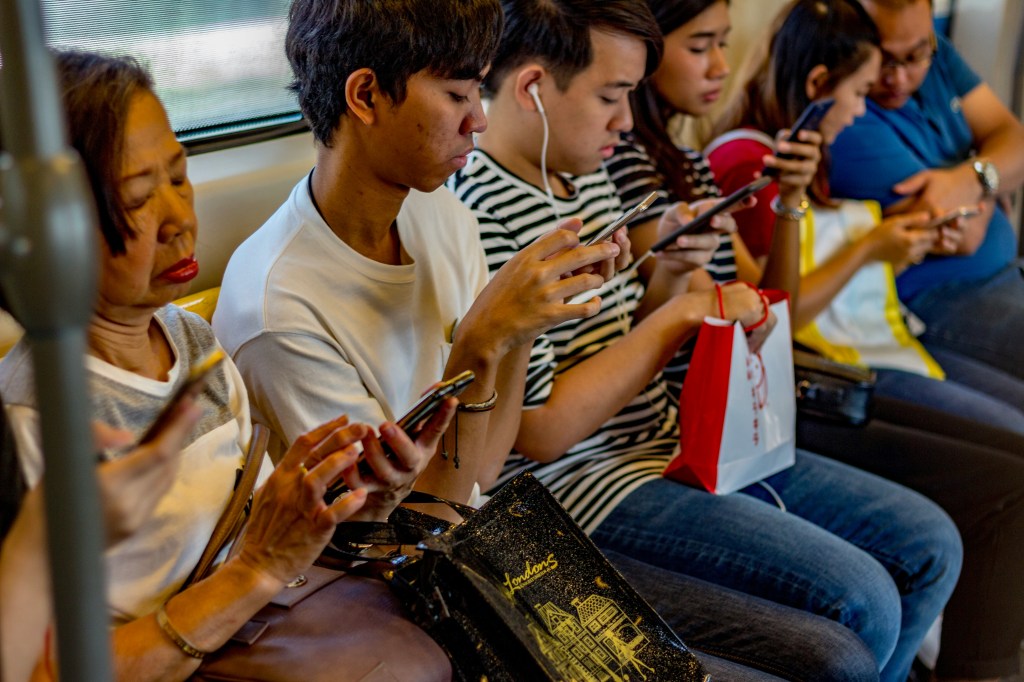
People were returning to reading like soldiers who were returning home from war. Something was broken inside of them. Many soldiers come back from war and can transition back to civilian life with no problems. Others, though, have mental health issues like PTSD that never leave them the same, and it takes hard work to come back to something close to normal. Readers were coming back to reading with minds that had lost their ability to focus. The endless hours spent on short content frying their brains with an abundance of unearned dopamine hits. Those people wanted to read, but a deep urge would overcome them before they could even finish one page of a book. The “quick glance” to the phone to see if they had any notifications. The agitation they would feel after turning the page of a book without a reward. They would decide whether or not to read a book based on its length. If a book was too long or too dense, the dopamine hit they yearned for would take too long to come. A short article or YouTube video would be better suited.
The desire was there, but brains that were damaged needed healing to return to their previous state. Eradicating boredom had unknowingly removed people’s ability to focus.

Being Bored Again
No one knew how important being bored was. The ability to be bored without reaching for a distraction is the same skill as being able to focus on a challenging task for long periods of time. Growing up in the pre-smartphone era, we had no problems focusing on a book because our days were filled with moments of boredom. We had no clue that if we eliminated those moments of boredom, we would lose the ability to concentrate.
Through personal experience, I can tell you that I regained my ability to focus after reading Cal Newport’s book “Deep Work.” I began to train my brain with small moments of boredom every day and one longer session per week. My short sessions would be something like not listening to anything on my drive to work and just allowing myself to think. Another example would be waiting in line at the grocery store or in the waiting room for an appointment without taking my phone out as a distraction.
At first, the desire to grab my phone was overwhelming, but slowly, the urge simmered down, and I began to enjoy my moments of boredom. My longer weekly sessions usually meant going on a 30-minute walk without my phone. These brought me the most benefit because walking is a powerful tool for generating new ideas and working through difficult problems. I just needed to remember to bring something analog to jot down the backlog of ideas that were all of a sudden coming to me after years of never doing anything without an audiobook or podcast playing in my ears.
Reading is a Superpower
The distraction age has made reading and the ability to focus a superpower. If you can manage to heal your brain to its previous state and replace some of your leisure activities with reading, you will see improvements in all facets of your life.
Become a Pioneer for Reading
I hope that after reading this, you can become a pioneer in bringing reading back to our lives and encourage future generations not to make the same mistake we did. Some of the world’s best engineers are working day and night to create even more addictive algorithms to keep us doom scrolling on their apps at the slightest hint of boredom. Don’t allow them to take your life away from you. Years from now, you will wish you had lived a more present life instead of watching hours of Instagram Reels, YouTube shorts, TikTok videos, or whatever the next thing will be; we must be proactive to save ourselves and future generations.
If you enjoyed this content, please sign up for my newsletter below, share this post with a friend, or read some of my other blog posts. Thanks for stopping by.


 Book Ponder
Leave a comment